
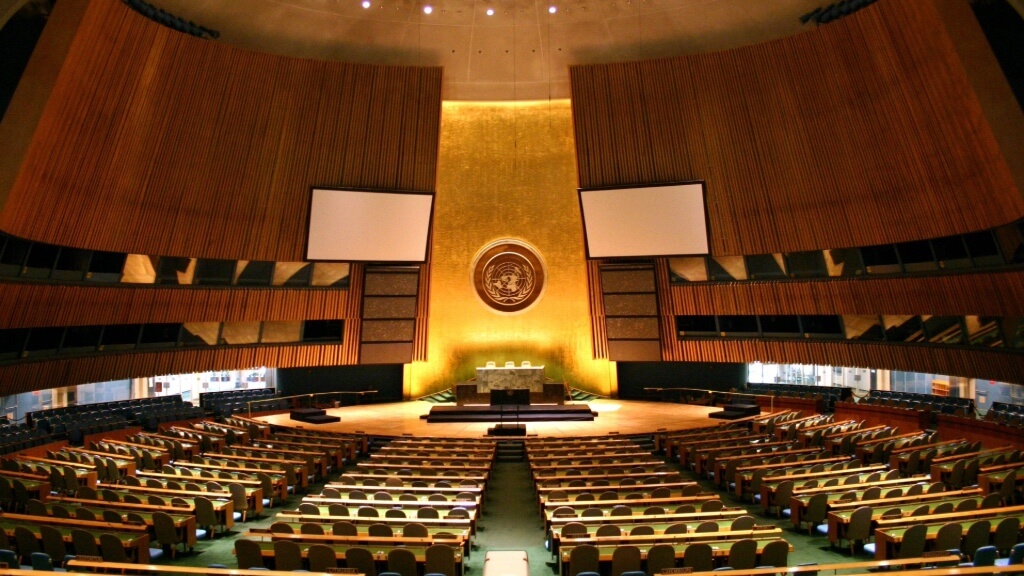
For the first time in the United Nations Commission on the Status of Women’s (CSW) 70-year history, the Agreed Conclusions were not adopted by consensus. Instead, they were subjected to a formal vote. The results: 37 in favour, 1 against, and 6 abstentions. The United States cast that sole “no” vote. Why?
The document discusses “access to justice for all women and girls,” which initially appears positive and sincere. However, a deeper examination of the Agreed Conclusions reveals a different narrative. It contains multiple references to “gender identity” frameworks, ambiguous pledges to “sexual and reproductive health and reproductive rights,” language incorporating DEI principles, and directives for governments to oversee artificial intelligence to curb “misinformation” on gender-related issues.
The US delegation submitted eight amendments addressing what they described as “ambiguous language promoting gender ideology,” “vague unqualified commitments to sexual and reproductive health that really are about supporting abortion rights,” and “censorship language on regulating AI.” All eight were rejected. In a rare move for the UN, the US then voted against the document rather than quietly abstaining.
These Agreed Conclusions are not merely symbolic. They are designed to influence signatory governments to reform laws, reallocate budgets, and retrain institutions—including police, courts, and educational establishments. Specific provisions call for repealing “gender-discriminatory provisions” in domestic law, establishing reparations funds for “victim-survivors,” and recognising “non-lawyer community justice workers” as legitimate legal actors.
Critics of the US stance, such as Women Against Violence Europe (WAVE), argue that America is “emboldening conservative and authoritarian states” and supporting what they term a “global anti-gender movement.” These claims often fail to recognise that the US position is not merely opposition to women’s rights or a political stunt. It challenges a specific ideological framework that has spread within international human rights discourse over the past decade—an ideology that conflates biological sex with gender identity, treats contentious issues like abortion as established international law, and seeks to regulate online speech on these topics. Contrary to mainstream media reports about this significant vote, opposing this particular UN document does not equate to opposing the safety or rights of biological women.
This is where domestic policy comes into play. New Zealand has adopted several policies that closely follow the principles outlined in such documents. The Births, Deaths, Marriages, and Relationships Registration Amendment Act 2021 introduced legal self-identification of sex, eliminating the need for medical or legal procedures. Ongoing debates focus on the implications of this for women’s refuges, prisons, and competitive sport. In 2023, the previous government allocated $4.1 million to UN Women, part of a broader trend of funding for UN gender initiatives.
The current government has quietly been reversing some of these measures. Sport New Zealand updated its guidelines in 2024 to restrict transgender women from competing in female categories in most organised sports. These are significant shifts.
At the international level, New Zealand’s position remains mostly passive. Its domestic policies closely follow the principles of these frameworks, warranting public scrutiny and debate.
This does not mean endorsing a blanket opposition to all UN outputs. International initiatives have resulted in notable achievements in areas such as domestic violence laws, legal protections during conflicts, and maternal health. Such achievements should be maintained.
Nevertheless, New Zealand’s government should review its voting patterns and funding commitments to UN Women and related agencies, paying particular attention to how ideological positions are incorporated into these documents and resolutions as if they constituted established international standards and law.
The US has demonstrated that a country can oppose specific provisions without abandoning its commitment to women’s biological rights. This example is not meant for New Zealand to oppose everything produced by the UN, but to emphasise that genuine advocacy for women’s biological rights requires the willingness to push back.
Whilst New Zealand doesn’t have a CSW seat, it still has influence. New Zealand supports these agencies, participates in these frameworks, and some of our domestic policies mirror many of these debates. Women’s sex-based rights require a government committed to addressing these issues seriously and advocating for biological women both globally and at home.
*Written by Family First staff writers*